
St. Louis County Traffic Warrants Explained
In St. Louis County, a traffic warrant is a court order tied to a court case, not an unpaid bill sitting in a city ledger. Minnesota routes traffic citations and city ordinance tickets through district court, so the file lands with the same judges who hear criminal matters. Two things usually trigger the order: missing a date the court required, or letting a court-imposed fine go unpaid. The court itself decides what either step means for the case. The ticket alone resolves neither one.
A St. Louis County Traffic Nonappearance Goes to District Court
St. Louis County offers no traffic warrant portal, and no pay-to-lift vendor stands in the middle of the process. What it has is a court system. The Minnesota Judicial Branch publishes the help route for traffic issues, and that route sends every status question back to the court handling the case. A driver checks a traffic matter the way anyone checks any other court case: identify the case with a citation or case number, then ask Court Administration whether an order exists. Note: No St. Louis County traffic warrant payment portal or reinstatement fee schedule is published, so confirm costs with the court.
Checking for a Traffic Warrant
Work the St. Louis County channels in order. Each one shows a different piece of the picture, and only the issuing court can confirm an order.
- Pull up the citation or case number from the ticket, a payment notice, or an old court letter.
- Search Minnesota Court Records Online by citation number or case number and review the register of actions.
- Check St. Louis County's nightly lists for a bench warrant tied to a missed traffic date.
- Call Court Administration at the courthouse where the case was heard and ask whether an order is open.
- Request a copy of a specific court record if you need the paperwork rather than a status.
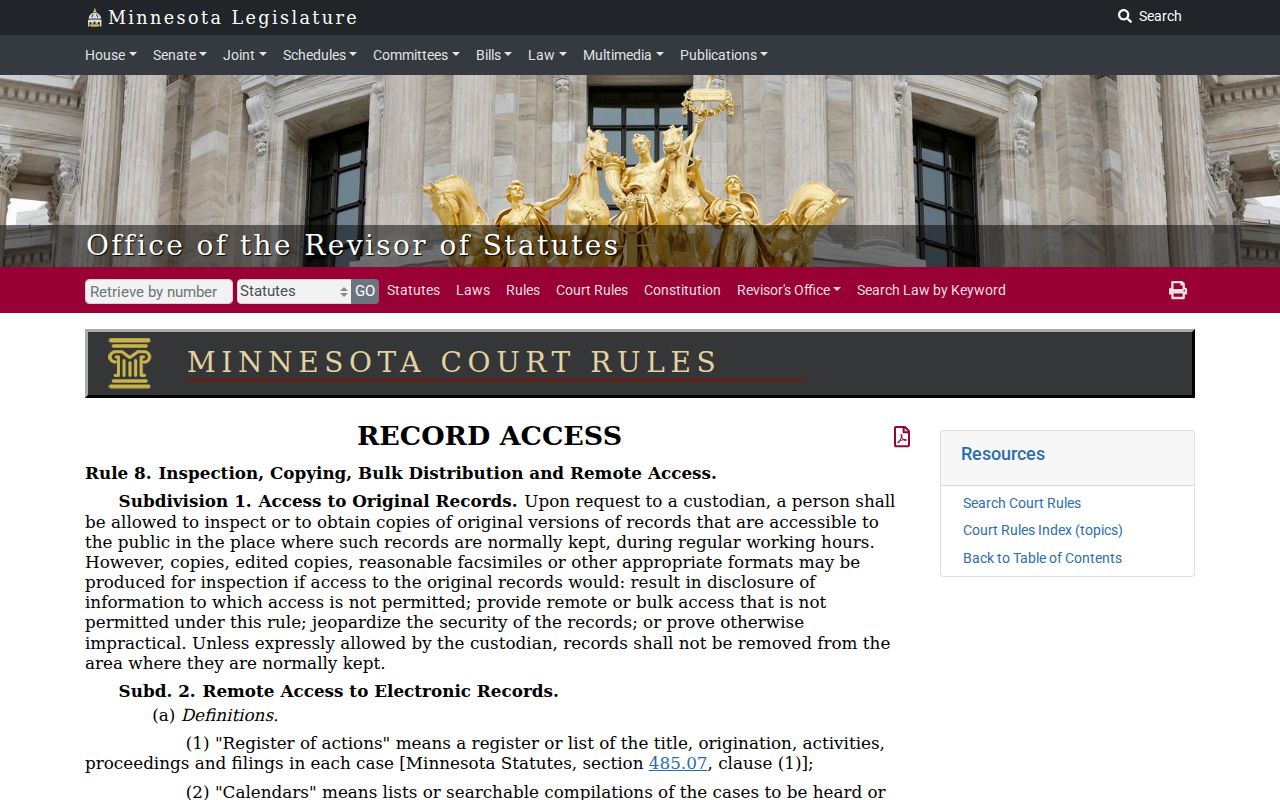
Online access covers only part of what a St. Louis County courthouse holds. A case that does not appear in a search is not proof that nothing was filed.
Payable Citations and St. Louis County Traffic Warrants
Some St. Louis County citations can be paid without appearing; others require a court date. Guessing wrong is expensive, since the two paths lead to different places.
| Point of Comparison | Payable Citation | Mandatory Appearance |
|---|---|---|
| How it is handled | Paid through the Judicial Branch fine system | Set for a hearing before a judge |
| What payment means | A guilty plea and a conviction on the record | Nothing, until the court decides the case |
| Risk of ignoring it | A missed deadline can lead to a court order | A missed date can lead to a bench warrant |
The statewide payable offense reference lists which offenses can be paid and which require an appearance, and the fine payment page spells out the consequences of paying.
Inside a Traffic Warrant Record
The St. Louis County court record identifies the case; the sheriff's list line identifies the order. Read them together for the whole picture.
| Citation number | The identifier printed on the ticket, formatted like 0000000000 |
|---|---|
| Case number | The court file number, used to search the case history |
| Charge | The traffic or ordinance offense as filed |
| Issued date | When the warrant was entered, not the date of the stop |
| Bail amount | A figure the court set, which can be changed |
Duluth Traffic Warrants and Court Administration Option 4
Duluth has the clearest published instruction in St. Louis County. Its City Attorney's Criminal Division prosecutes city gross misdemeanors, misdemeanors, petty misdemeanors, and ordinances. The same official page sends every traffic contest, status question, scheduling change, and missed appearance to Court Administration at 218-221-7560, option 4.
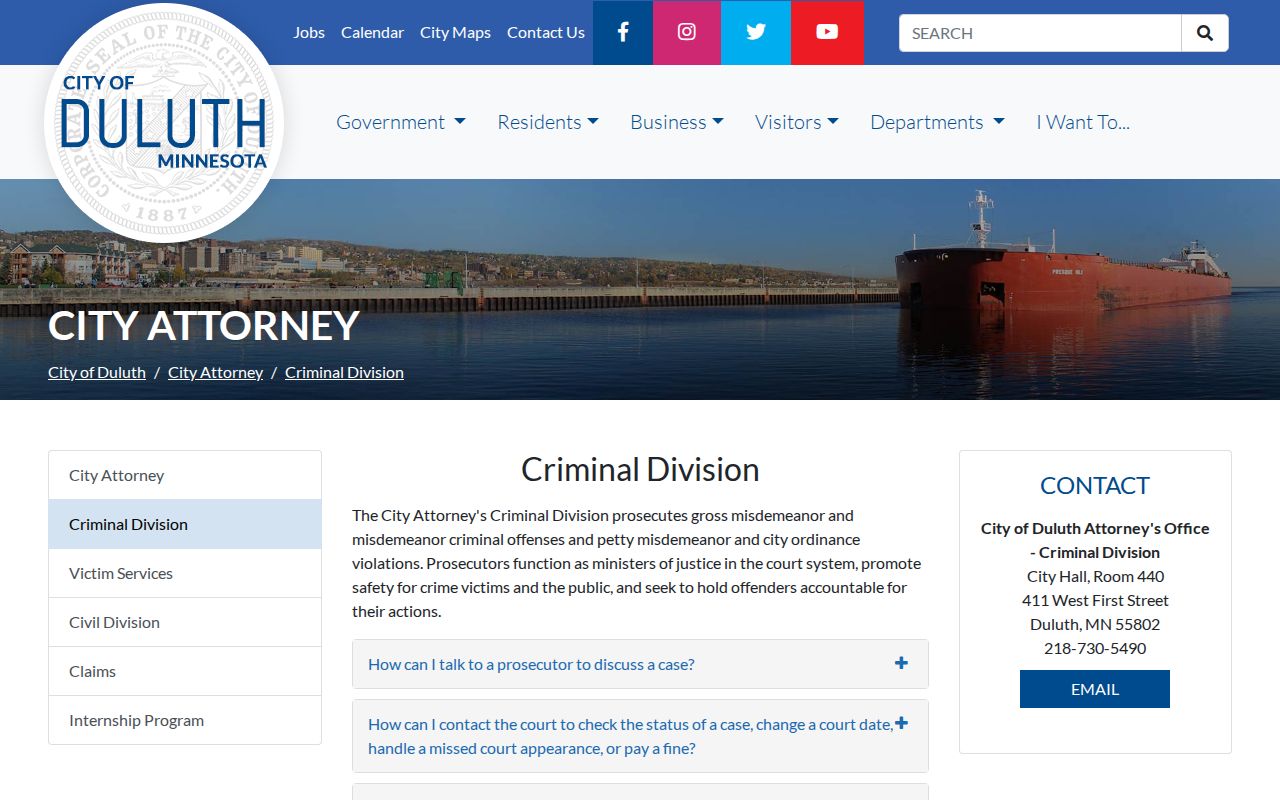
That page also says the Duluth city attorney takes no fine payments. A payment question in St. Louis County belongs with the Judicial Branch, not the prosecutor.
How to Pay or Lift a Traffic Warrant
Lifting an order is a court decision in St. Louis County. Paying a fine is a separate transaction with its own consequences, so do them in the right order.
Before you pay: A payment on a payable citation is a guilty plea, and it does not automatically recall an outstanding order. Ask the court what it requires first.
- Ask Court Administration whether an order exists and what the court wants done about it.
- Ask how the fine should be paid if a payment is part of the resolution.
- Ask whether the court will set a new date, accept a payment plan, or require an appearance.
- Get the answer in writing or note the name of the person you spoke with, and keep the receipt.
Why St. Louis County Police Cannot Confirm a Traffic Warrant
Police departments take reports, answer emergencies, and handle enforcement. They do not decide case status. A Duluth officer, a Hibbing officer, or a St. Louis County sheriff's deputy can arrest on an order, yet none of them can tell you whether the court recalled it this morning. That distinction matters most when someone calls a police non-emergency line hoping for a quick answer about a ticket. The answer lives with the court.
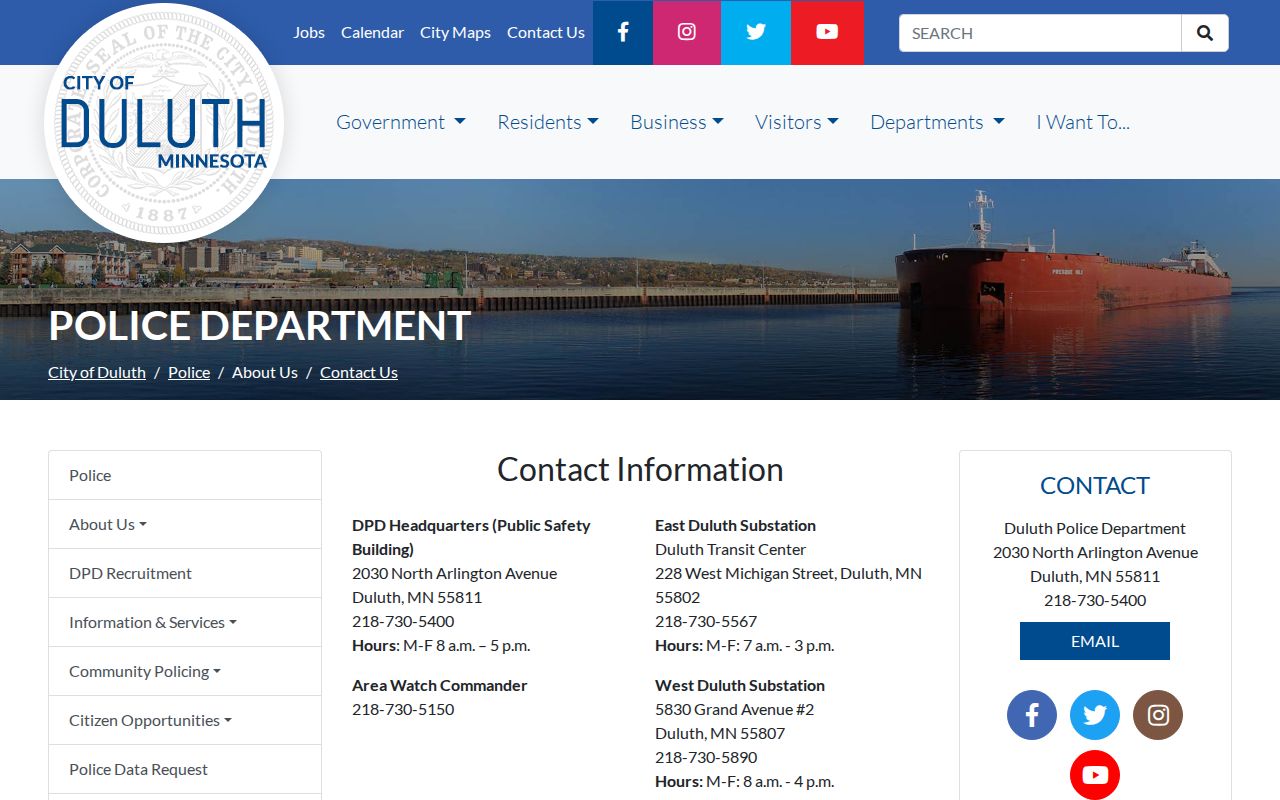
Duluth police publish headquarters, substation, watch commander, and tip line contacts for law-enforcement matters in St. Louis County. The court handles case status.
Traffic Warrants, FTA, and License Holds
Missing a traffic date in St. Louis County can reach beyond the courtroom. Minnesota law lets the court notify the Commissioner of Public Safety when a person fails to appear or fails to comply with a traffic notice. That is a court-process consequence, not a driving-record matter.
| Term | What It Means | Who Acts |
|---|---|---|
| FTA | Failure to appear at the required court date | The court records the nonappearance |
| Bench warrant | A judge's order issued after the missed date | The district court judge |
| DPS notice | Court notice to the state after traffic noncompliance | The court, under state law |
Whether a notice goes out depends on the citation and what the St. Louis County court ordered. Nobody should assume an automatic result.
Where a Hibbing Traffic Citation Is Answered
Hibbing, in St. Louis County, runs a full-service district court at 1810 E 12th Avenue, near the police department, and the two counters do different jobs. The court handles status, dates, and orders. Police handle reports and enforcement.
Hibbing Court Administration answers on 218-274-6007, with option 4 for warrant and appearance questions in St. Louis County. The police line reaches an agency that cannot change case status.