
St. Louis County Active Warrants Explained
An active warrant is a court order that has not been served, recalled, or otherwise resolved, and the public files show the ones St. Louis County currently publishes. That is not the same as every order out there. Two files carry the load. One covers felony and gross-misdemeanor cases, while the other handles misdemeanors. The county's own public offender records page warns that its tools are not a full list, so a name missing from the file is not proof that no warrant exists. Treat the lists as a starting point only. The issuing court still gets the final word on what is open.
What the 9 PM Warrant List Update Means
Both files are rebuilt every night at about 9:00 PM, and that single detail explains most of what surprises people. A St. Louis County warrant signed at 10:00 in the morning stays out of the public file until the next build. An order recalled during the day can still show up that evening. The Warrant Division says flatly that list data can lag behind court action and that active warrant information must be confirmed before any enforcement step. A downloaded file is a snapshot, never today's answer. Note: Treat any list you saved yesterday as a point-in-time copy and confirm current status with the court.
How St. Louis County Tracks Active Warrants
Tracking starts with the bench. Judges issue and sign the orders, the Sixth Judicial District transmits warrant information to the sheriff's office, and the St. Louis County Warrant Division maintains the county warrant data while deputies execute arrest orders. The same details flow into statewide and national law-enforcement databases that the public cannot search. Only the court can change a status, which is why a phone call settles questions that reading a PDF never will. The public file also covers the whole county, so an entry can belong to any of the three courthouse jurisdictions, including Virginia out on the eastern Iron Range. The list reflects what the county has received, nothing more. The sheriff's page on warrant data, shown on the official site, lays out this chain from court to file.
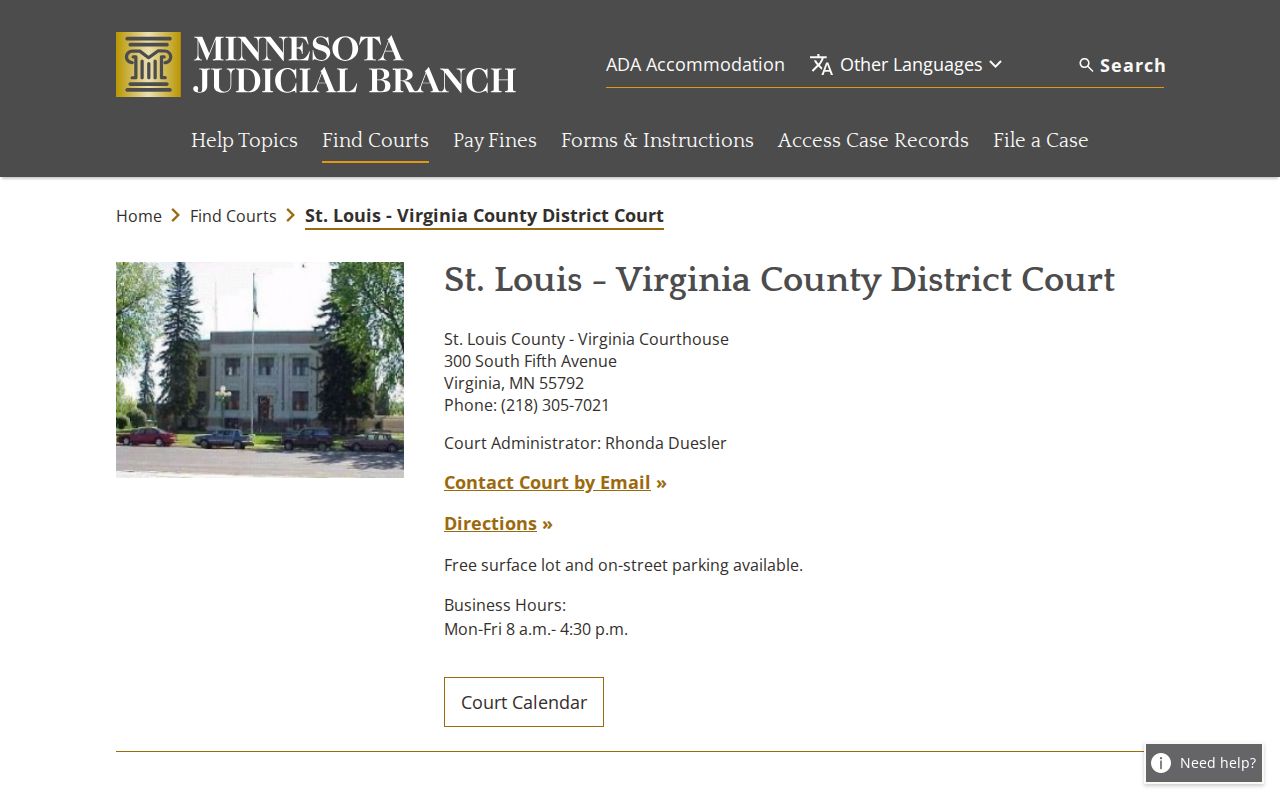
Virginia Court Administration answers warrant questions on 218-305-7021 with option 4.
Felony List vs Misdemeanor List in St. Louis County
The two published files split by offense level. That split changes which St. Louis County cases appear in which file, not how the list itself behaves.
| Point of Comparison | Felony and Gross Misdemeanor List | Misdemeanor List |
|---|---|---|
| Offense levels covered | Felony and gross misdemeanor | Misdemeanor and petty misdemeanor |
| Type labels seen | Arrest, complaint, order of detention, bench warrant, violation | Bench warrant and violation labels |
| Document size at inspection | 78 pages | 201 pages |
| Update cadence | Nightly near 9:00 PM | Nightly near 9:00 PM |
Inside an Active Warrant Record
A St. Louis County list line stays brief on purpose. It gives just enough to identify a person and a case, and nothing that lets anyone act without pulling the court file first.
| Name and age | Printed on the entry as received from the court |
|---|---|
| City and state | Last known location, not a verified current address |
| Issued date | When the order was entered, shown on the list line |
| Bail amount | A court figure that can change after the file is built |
| Warrant type and charge | The list label plus the offense description and level |
With a case number in hand, the Minnesota Court Records Online index adds the case side of the picture.
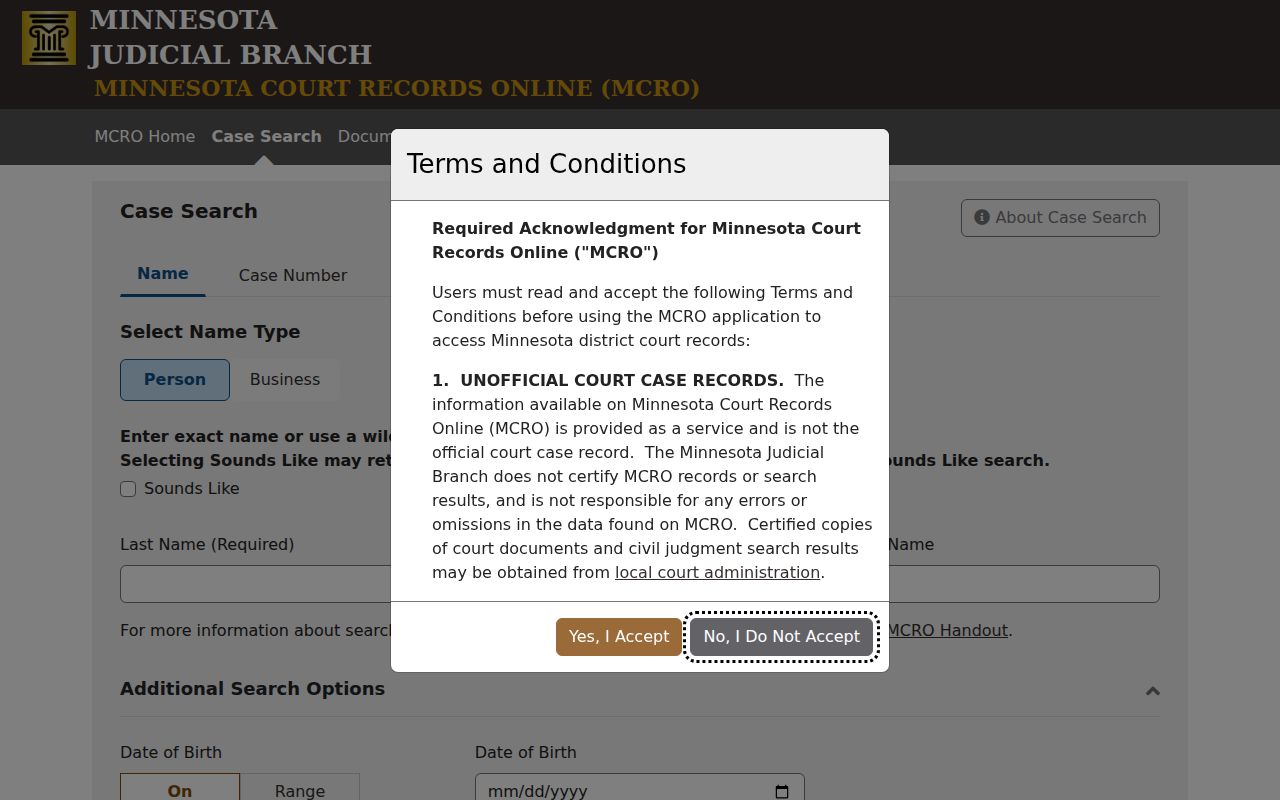
That index returns case details, a register of actions, and public documents where remote access is allowed. What it will not do is confirm a warrant status for any St. Louis County case.
Why a St. Louis County Warrant PDF Is Not a Docket
A generated St. Louis County warrant file is not a case history. It has no warrant number, no court file number, no issuing judge, and no trace of earlier hearings. Serve or recall the order, and the line vanishes from the next build. The case itself can keep moving with nothing visible on the list. Some court services also sit behind access limits rather than in public view. The Minnesota Government Access system admits only logged-in government users, which marks the line between what the courts publish and what stays internal.
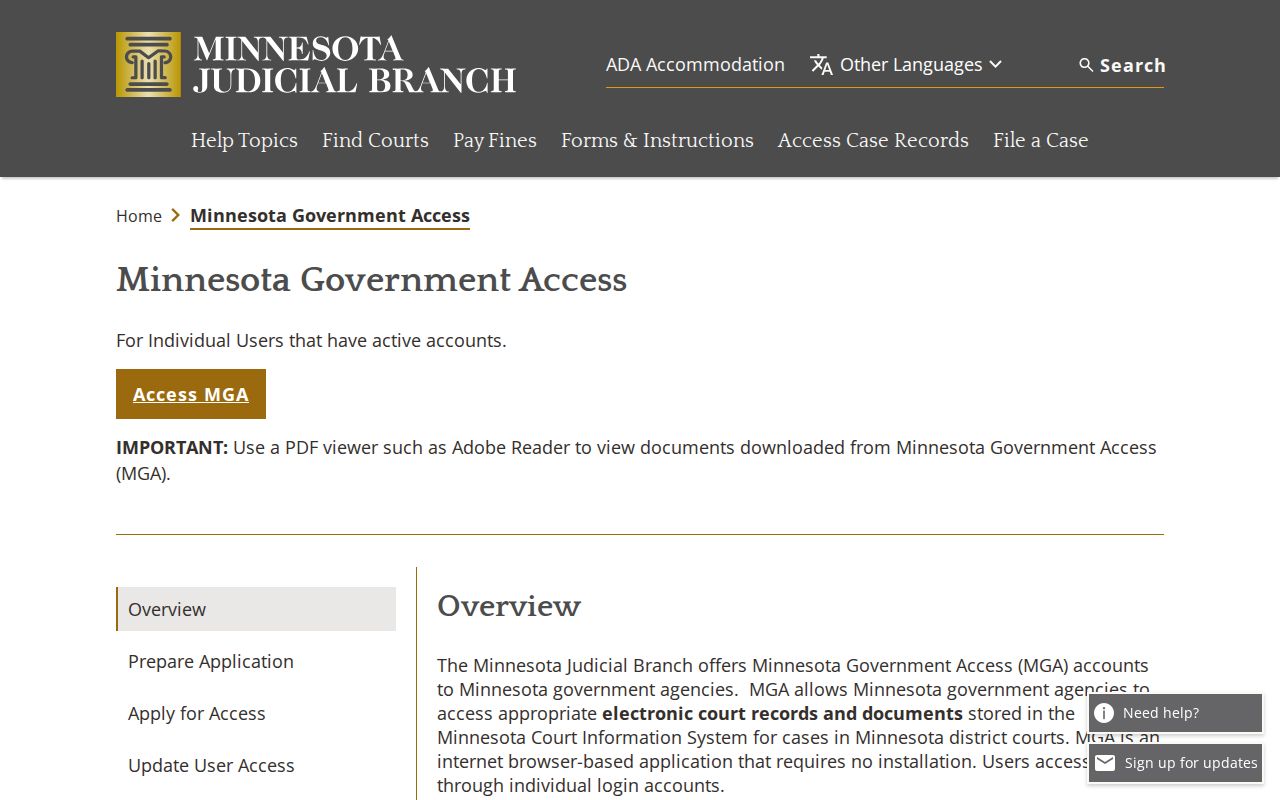
That boundary matters when a name search comes up empty in St. Louis County. The record may sit on a system the public was never meant to search.
Warrant Roundups and Most-Wanted Lists
The county most wanted page works as a program directory, not a local roster. It links out to FBI and U.S. Marshals Service programs and notes that those outside sites carry no endorsement. Roundups run differently, since they are announced events rather than standing lists. St. Louis County has no current roundup or amnesty week.
Key point: A curated most-wanted page covers a handful of cases. The nightly county lists cover far more, and neither one is a substitute for asking the court. The most wanted list page explains the federal programs.
If You Think You See Your Name on the St. Louis County List
Confirm the entry before reacting to it. Names repeat, and so do cities. A listed entry can even outlive the order it describes. Gather the full name, date of birth, and any case or citation number, then call one of the St. Louis County courthouse lines listed below.
- Ask Court Administration whether an order is open and which court issued it.
- Ask what the court requires next, whether that is an appearance, a bond, or a reset.
- Talk with a lawyer before you appear, and ask about a public defender if cost is a concern.
- Keep every date the court sets and follow up if the answer does not arrive in writing.
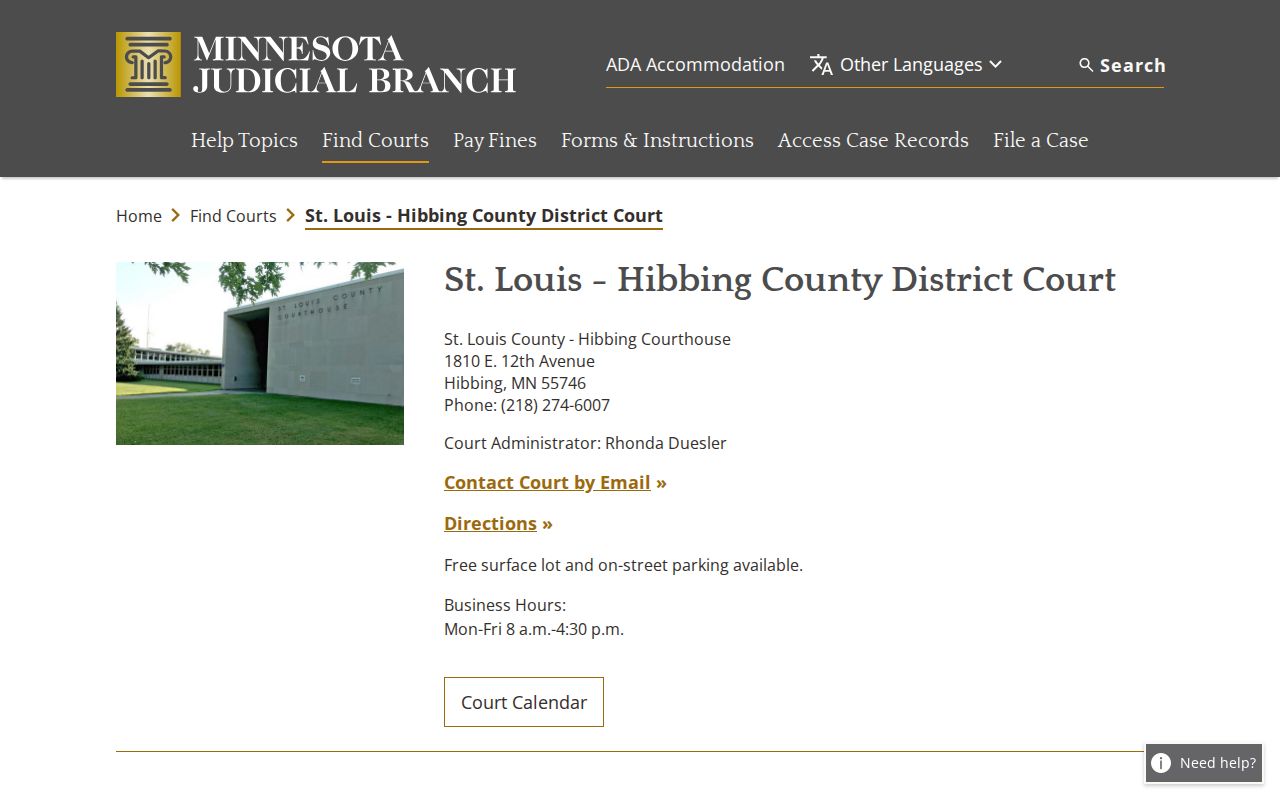
Hibbing Court Administration takes warrant questions at 218-274-6007, option 4. Callers should confirm the required appearance before making the trip.
When Your Name Is on the Warrant List
A listing is only a status lead in St. Louis County. It settles nothing, and whatever happens next belongs entirely to the issuing court.
Important: Never approach a listed person or try to settle an order by phone with the sheriff. Talk with a lawyer and follow the court's process.
Fixing the warrant works the same way in St. Louis County whether it sprang from a missed hearing or a new charge. The county warrant overview lays out each step.
St. Louis County's 2016 List Launch, Ten Years On
St. Louis County published its first public warrant list in 2016. The launch announcement came with fine print. It covered only felony and gross-misdemeanor warrants issued after December 5, 2011, and set aside anything older. Juvenile and confidential matters stayed off the file, as did cases secured by team arrest, and about 5,000 misdemeanor warrants were left out entirely. None of those boundaries describe what you will find now. The county's current Warrant Division page states no such limits. It posts two lists for the whole county, one for felony warrants and one for misdemeanor warrants. So a warrant that the 2016 rules would have excluded may well appear on today's misdemeanor list.
Note: Treat any archived description of the list's scope as history unless the county restates it on a current page.