
St. Louis County Arrest Warrants Explained
A St. Louis County arrest warrant is permission from a judge to take someone into custody on a criminal charge. It is not a police invention. The backbone is probable cause, meaning the facts in a complaint and its sworn statements would convince a reasonable person that an offense happened and that this particular person committed it. Judges alone issue the order. A prosecutor or an officer can ask for one, but only the court signs. The statute page for the complaint rule shows when a judge may choose a warrant over a summons and what that choice means for the person named. It is worth a close read before drawing conclusions from any list.
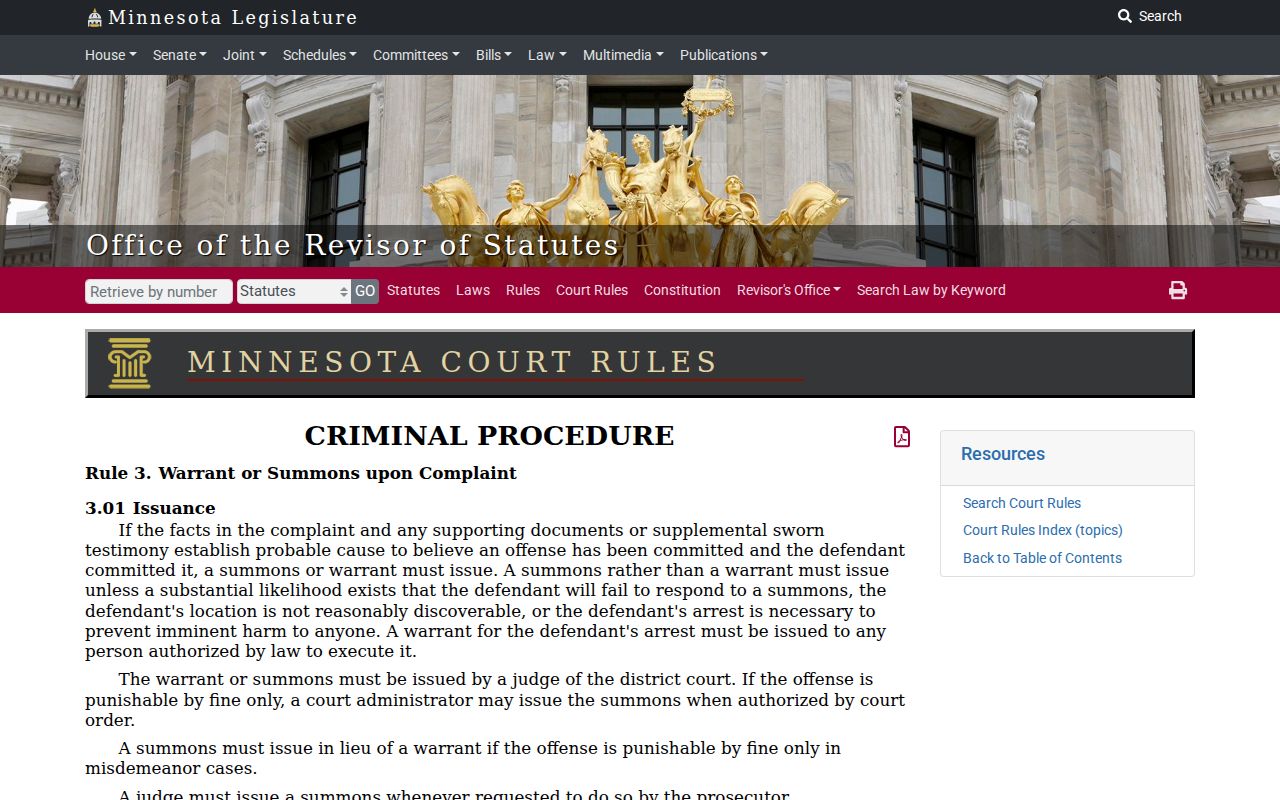
In St. Louis County, the same rule governing the complaint also tells a judge when an arrest warrant is proper and when a summons must be served instead. That choice rests with the court, not the police.
How a St. Louis County Arrest Warrant Follows Rule 3
Minnesota Criminal Procedure Rule 3 maps the whole journey from charge to signed order in St. Louis County, and it deserves a slow read. The complaint has to name the offense and lay out the supporting facts. It also needs documents or sworn testimony behind it, taken under oath. Once the judge is satisfied on that score, the case can move forward one of two ways. A summons simply asks the person to come to court. A warrant goes further and authorizes officers to bring the person in, so the rule holds that route back for cases the judge finds serious enough. The text of Rule 3 spells out both paths in full, and it is the place to check what a judge in St. Louis County must weigh before signing anything.
Inside a St. Louis County Arrest Warrant
The public list line for a St. Louis County arrest warrant is only a summary. It shows the fields the sheriff gets from the court and leaves out the paperwork behind them.
| Warrant type label | Arrest, complaint, order of detention on the felony list |
|---|---|
| Charge | The offense named in the complaint |
| Offense level | Felony, gross misdemeanor, or misdemeanor |
| Issued date | When the order was entered, not when the offense occurred |
| Bail amount | A figure the court can change after the list is generated |
| Name, age, city, state | Identifying details as the county received them |
The St. Louis County list shows no warrant number, issuing judge, or serving agency. For anything that complete, the court file is the only source.
The St. Louis County Sheriff Executes What the Court Issues
Two St. Louis County offices touch the same order, and mixing them up sends people to the wrong counter. The court decides whether the order exists and what it demands. The sheriff carries it out.
Sheriff Warrant Division
Duluth Courthouse, 100 N 5th Ave W, Room 103
Duluth, MN 55802
218-726-2340
Inside the St. Louis County sheriff's office, the work splits across Law Enforcement Services, Patrol, Investigations, Civil and Warrants, and Court Security. City police can execute an order within their own authority too.
Serving Arrest Warrants in St. Louis County
Serving an arrest warrant is an officer's job, full stop. In St. Louis County, deputies, city police officers, and other authorized peace officers may execute an order, and the sheriff's own instructions warn readers never to approach a listed person or attempt a detention. Once the order exists, its details enter statewide and national law-enforcement databases. That means an officer who runs a name during an ordinary traffic stop can see it. A voluntary appearance arranged in advance is usually far better than a surprise arrest on the roadside. Call ahead, sort out the details, and show up on your own terms.
The 48-Hour Arrest Rule in St. Louis County
A warrant is not the only doorway into a criminal case in St. Louis County. The law lets an officer arrest someone without one when conditions allow. When that happens, Rule 4 requires a judge to make a probable-cause determination without unnecessary delay, and no later than 48 hours after the arrest. That clock governs custody, not public records. It does not create a search result anywhere, and it does not change the fact that confirmed warrant information comes from the court itself. People sometimes confuse the two timelines, expecting the 48-hour rule to force something into a database. It does not work that way. Note: Rule 4 covers what happens after an arrest, so the clock is not a deadline for posting or resolving a warrant in St. Louis County.
Comparing Arrest, Summons, and Bench Warrants
Three documents move a Minnesota case forward, and they are not interchangeable.
| Point of Comparison | Arrest Warrant | Summons | Bench Warrant |
|---|---|---|---|
| What starts it | Complaint and probable cause | Complaint and probable cause | Missed hearing or noncompliance |
| Custody authority | Yes, an officer may take the person in | No, the person is told to appear | Yes, unless it is a sign-and-release order |
| Usual next step | Appear or surrender, with counsel | Show up on the date ordered | Ask the court for a new date |
The sign-and-release statute limits one narrow version of the failure-to-appear order.
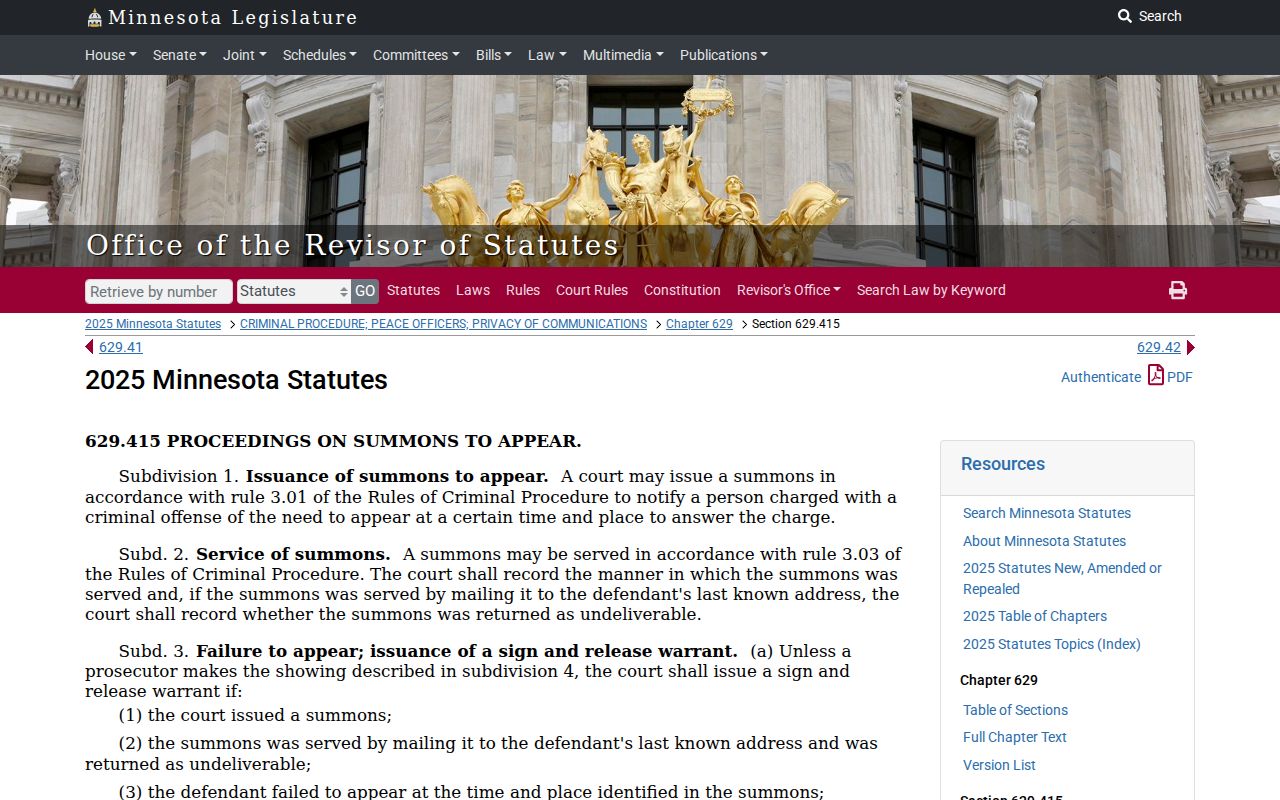
A sign-and-release warrant is different by design. It authorizes no arrest and requires no bail in St. Louis County, which is exactly why the order must say so on its face.
A Public-Data Request Cannot Recall a St. Louis County Warrant
A records request moves paper, not cases. Some people file one hoping it will clear a St. Louis County warrant, and that hope misses how enforcement works. Pulling documents does not pause anything. Only the issuing court can recall or quash the order. Under the state data practices law, inspection stays free, copies may carry a charge, and the agency owes a response in a reasonable time, yet none of that changes a case's status.
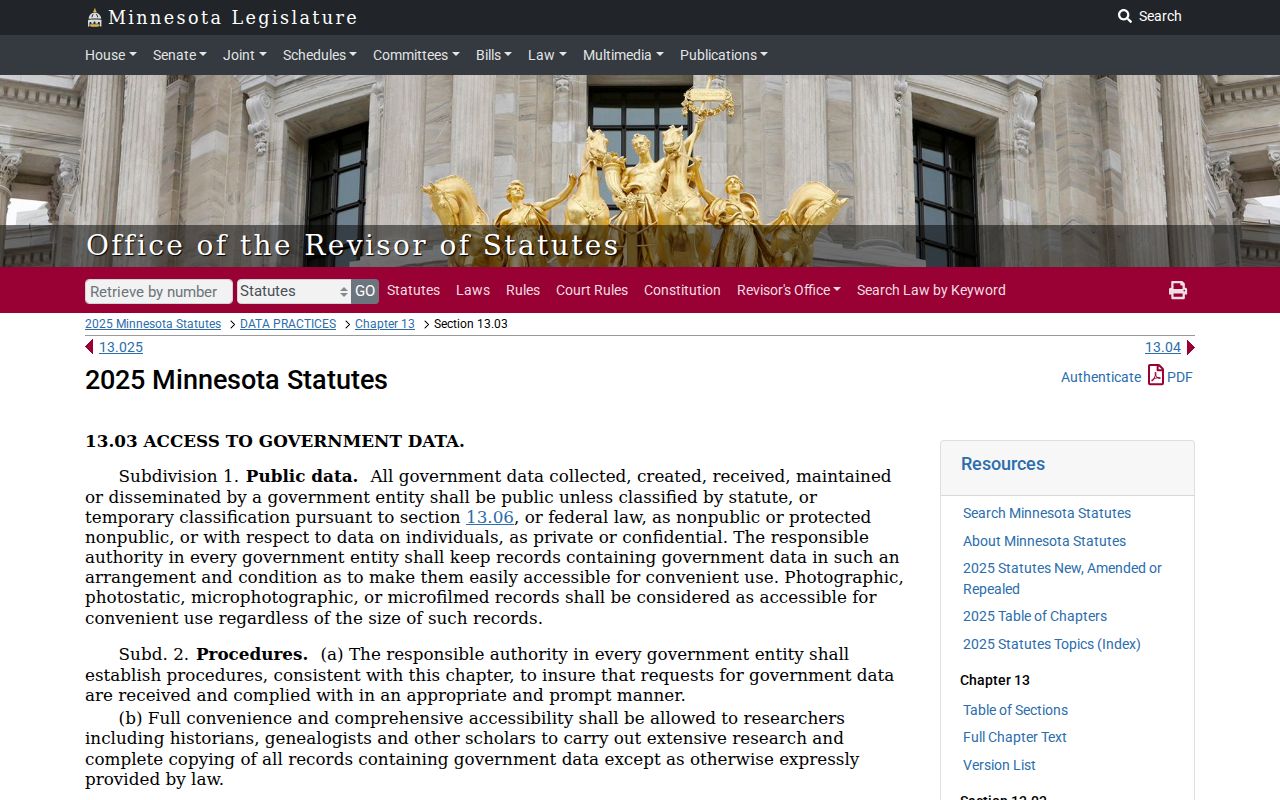
Ask for one specific record tied to your own St. Louis County case. Then ask the court separately about the warrant itself.
If There's an Arrest Warrant for You
An arrest warrant does not have to end in a surprise at a traffic stop. In St. Louis County, Court Administration can confirm the order. A lawyer can often arrange an appearance that keeps things controlled rather than chaotic.
Important: Do not wait for a chance encounter with officers, and do not ask anyone else to intervene. Get advice, then appear on terms the court approves.
- Confirm the warrant and the court that issued it, using the courthouse line for that location.
- Consult a licensed Minnesota attorney before contacting the court about an appearance.
- Ask whether the court will set a date, a bond, or conditions for a voluntary appearance.
- Keep the case moving, and ask before each step what the court expects next.
What Stays Confidential in the St. Louis County Warrant Index
Minnesota treats part of the arrest warrant index as nonpublic data. Under the state law covering law-enforcement records, specified warrant information can stay confidential until the person is taken into custody, served, or appears in court, all subject to a public-purpose determination. That rule answers a question people raise constantly in St. Louis County: why can't I pull a warrant I know exists as a document? The classification follows the case, not the county, so the answer can also shift once the person appears. The statute page laying out this framework is the place to see which parts of a warrant record open up and which stay sealed while the order is outstanding.
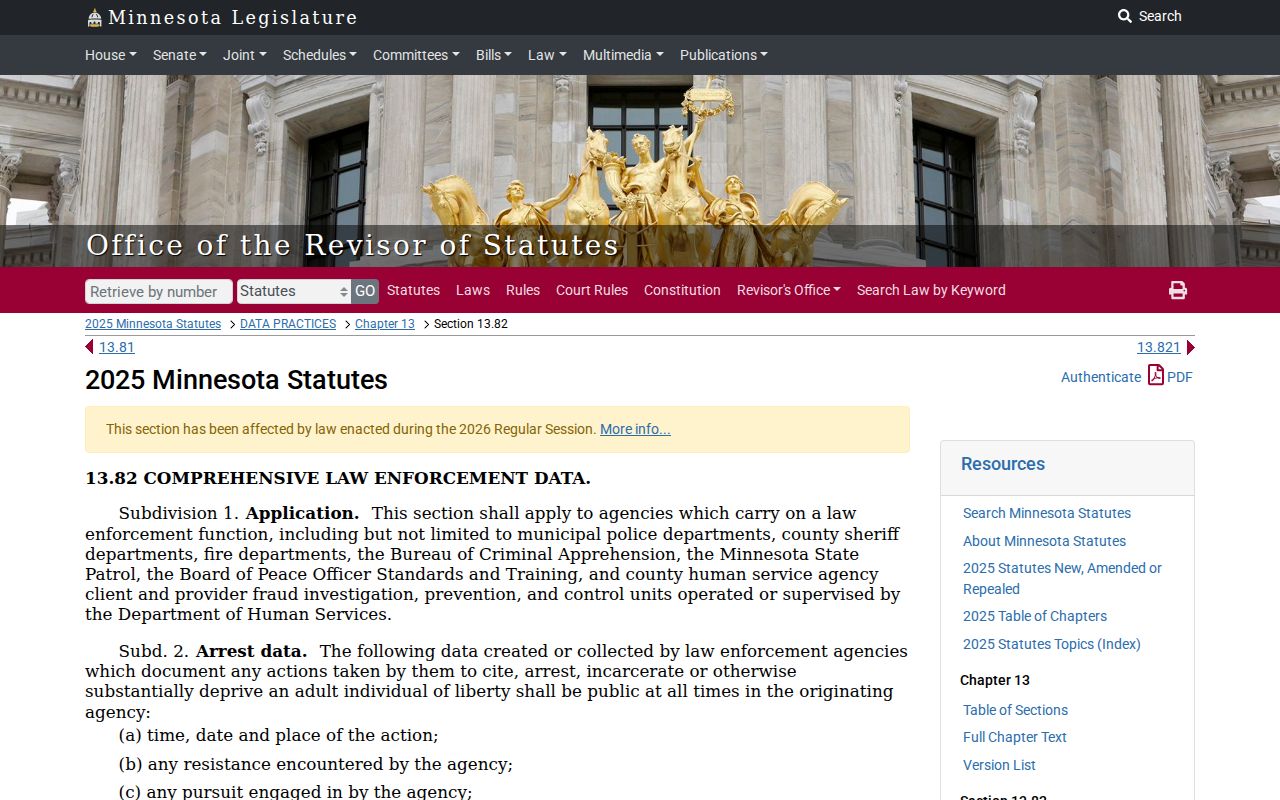
Ask the St. Louis County court whether a specific record is public before assuming a refusal means it does not exist. Classification, not absence, is often the reason.